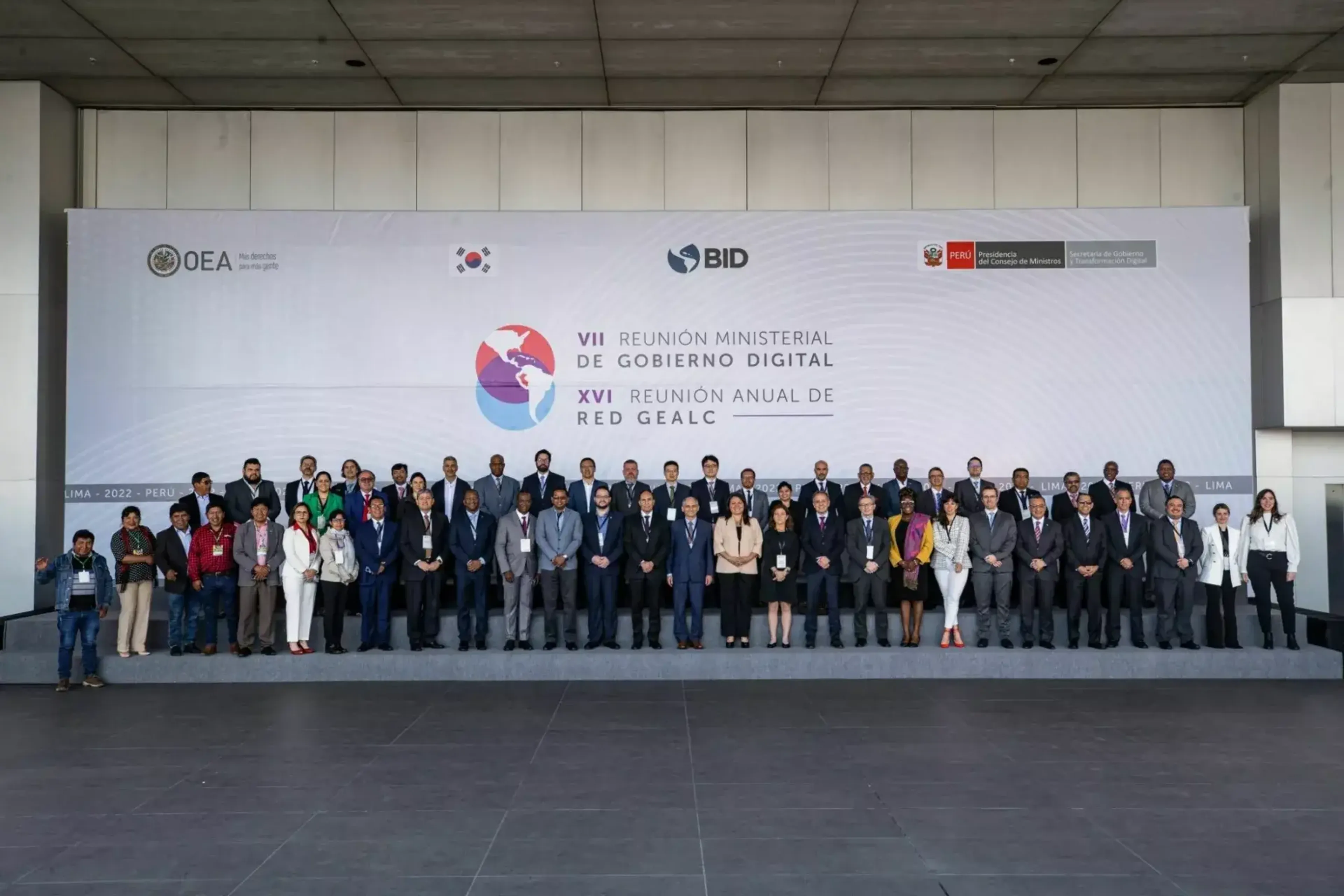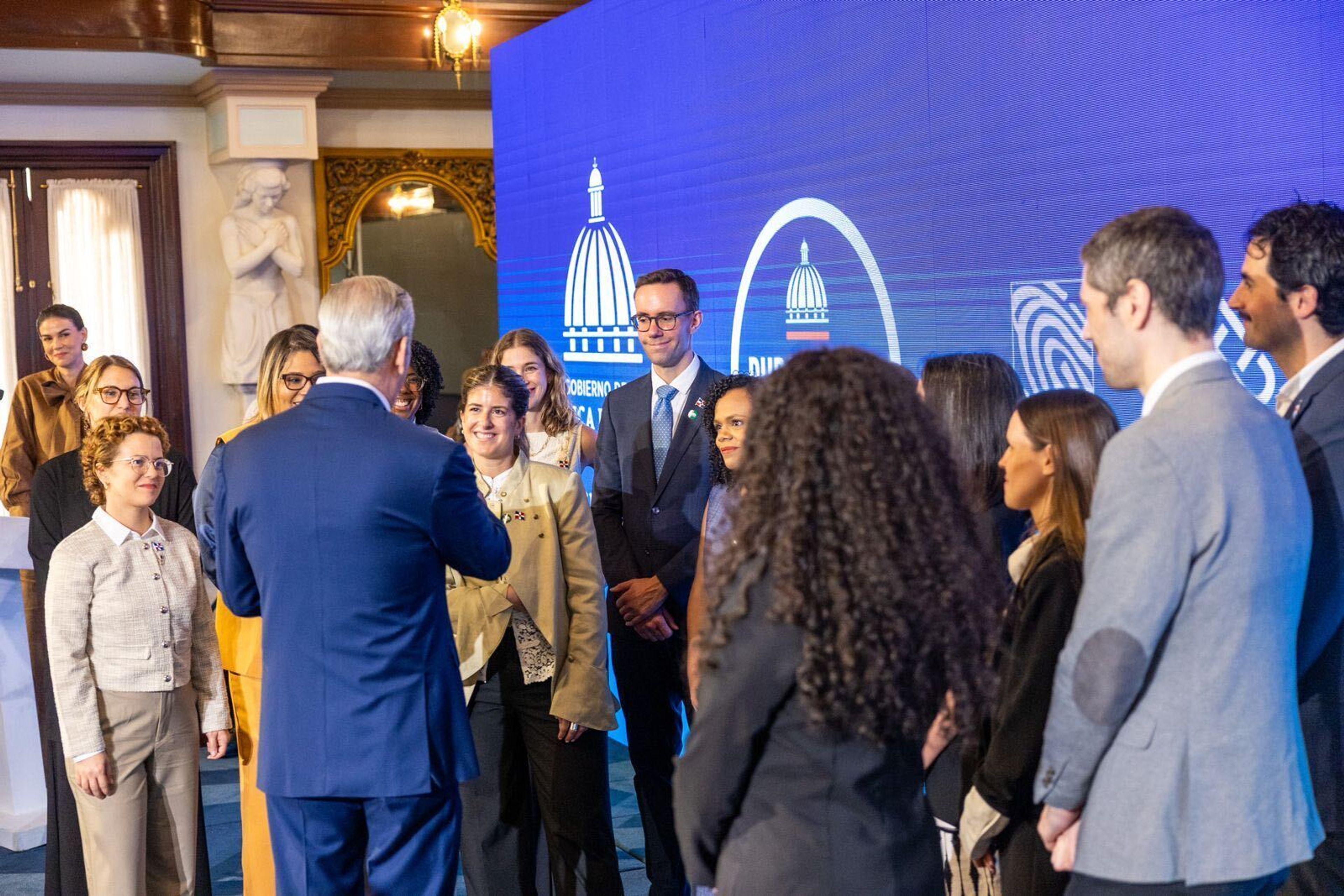
Dominican Republic launches first fully digital public service, supported by Public Digital
Read more
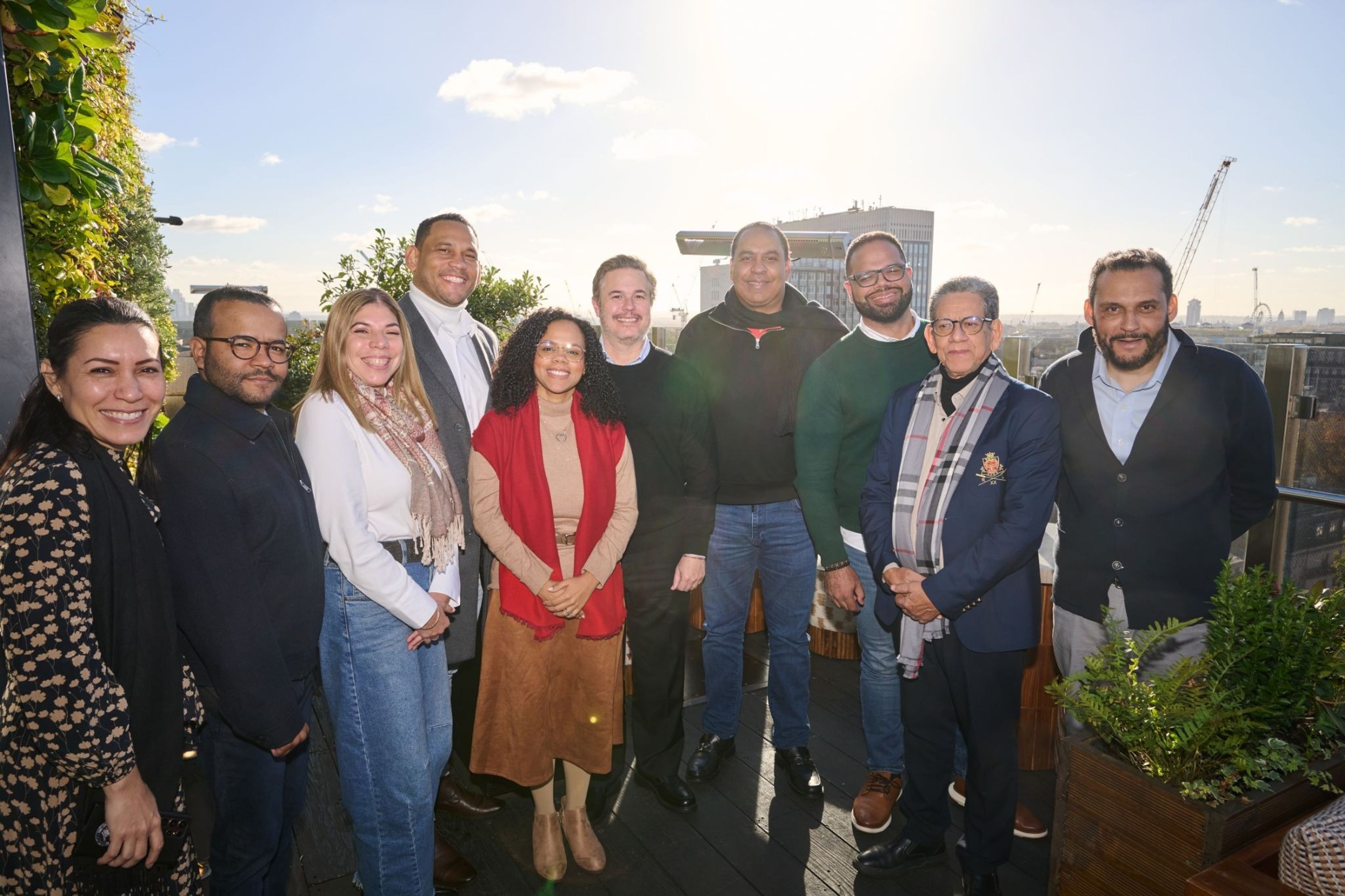
Earlier this month we hosted a political leaders from the Dominican Republic at a Summit in London, designed to help them shape a government built around the citizens it serves.
How much money will this transformation initiative save government? Do we need to change the law first? How do we enforce a standard without becoming the hammer every team resents? Who pays for the shared platforms everyone is supposed to use? What should government never outsource?
These are the questions almost every leader asks when they set out to change how government works. They have no single right answer. And in most governments, they are asked separately: by finance, by the digital agency, by the ministry setting policy, by the lawyers drafting the legislation. Each sees the problem from its own vantage point, and they rarely have the time or space to work through it together.
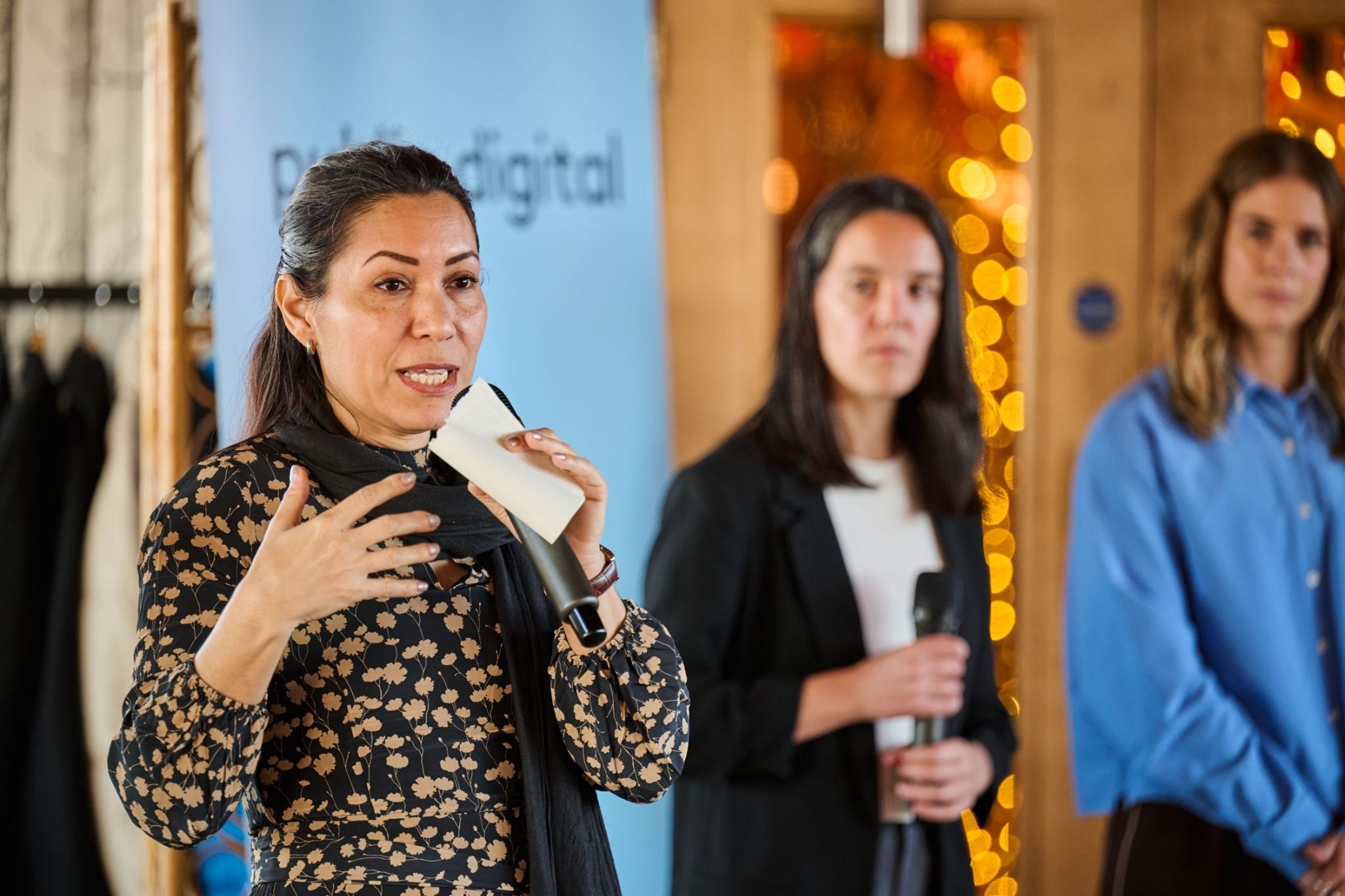
This challenge was one of the driving factors behind the Summit we convened in London earlier this month for leaders from four departments of the Government of the Dominican Republic.
These officials - vice ministers, directors general, and heads of programmes - are about to reshape how their government works, creating a new institutional model for digital government and public service delivery. The country has already shown what is possible, with the Permiso de Salida del Menor (‘permission to leave the country with a minor’), becoming its first fully digital, end-to-end public service earlier this year.
That service - and the wider effort behind bringing it to life - is the result of a partnership between the Government of Dominican Republic and Bloomberg Philanthropies. Through its Government Innovation program, the organisation is helping these officials work across sectors and silos to deliver simpler, more accessible public services – built around the needs of the citizens they serve. Alongside Delivery Associates, our team at Public Digital has been fortunate to support the implementation of this programme, which combines capability-building, governance reform, and service delivery to lay the foundation for a much bigger vision: a user-centred, service-led government.
As the country prepares to scale its institutional model, the convening was a critical next step - bringing together the officials who will have to make it work.
Why convening matters
Senior government officials rarely get time for the strategic planning required for carrying out an initiative of this scale. Even for leaders from different institutions whose mandates overlap, their direct work together tends to be restricted to formal meetings with fixed agendas, or when something has gone wrong.
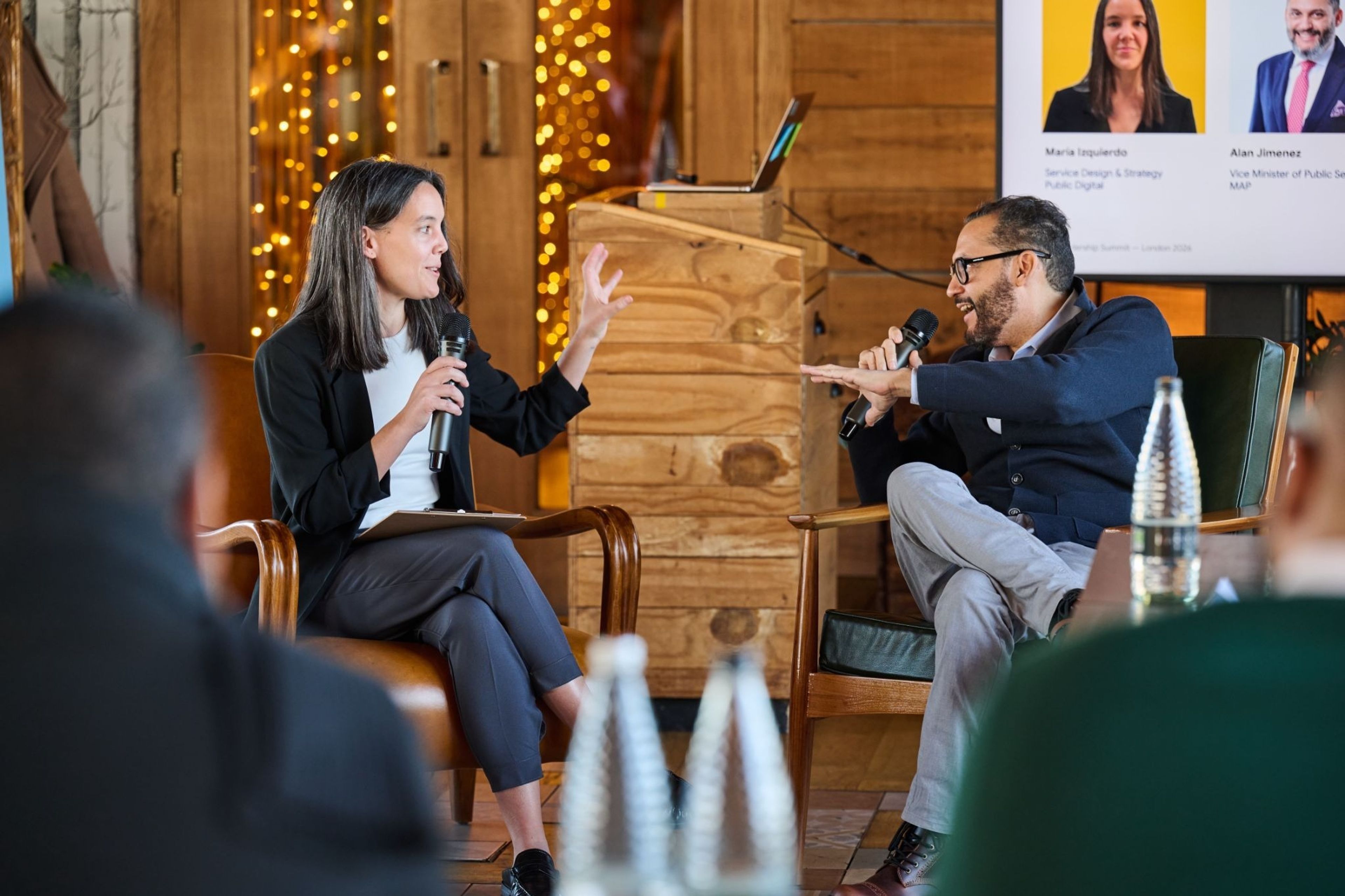
The Summit was designed to disrupt that model: to enable leaders from across different institutions to align and strategise on how they can work together to create user-centred government services.
Over three days, delegates heard first-hand from experts who built the UK’s Government Digital Service (GDS) and led transformation elsewhere.
But they also spent just as much time listening to each other.
Some of the most valuable moments came when Dominican leaders reflected on their own delivery, including what had worked, what had been harder than expected, and what they would do differently. Difficult conversations - about talent, budgets, communication, and the human side of institutional change - took place.
In a sense, the Summit was a rehearsal of the new model itself: leaders from different institutions working as one team, focused on outcomes rather than mandates.
Here are some of the learnings that those conversations from the Summit sparked.
Start with the problem, not the solution, or the savings
This came up in almost every session, from digital sovereignty to data to AI. When the pressure is on, ask what problem you are trying to solve, and take that question back to your teams.
Leaders asked how much the UK saved through Universal Credit. The answer of PD Partner Lara Sampson surprised some in the room: efficiency was not the starting point. The first task was to prove the service worked for people, and efficiency followed once the design was proven.
Sovereignty is the ability to choose
Digital sovereignty was framed less as where data sits, and more as whether government has the capability and freedom to make its own decisions.
Founder of the Government Digital Service, Mike Bracken, offered a simple test for any minister before signing a contract: if the company behind it became an unfriendly actor tomorrow, is there another way to do this easily? Asked what government should never outsource, his answer was one word: “You.”
Talent is the infrastructure that matters
Talent, culture, and leadership behaviour came up again and again. Teams that last are treated as permanent infrastructure, not project resources. Quality attracts quality. And AI, as PD co-founder Tom Loosemore noted, is an amplifier: it makes good teams even better, but it can also make the problems of low-trust teams worse.
Governance should help people do the right thing
Spend controls, service standards, and a technology code of practice are powerful levers. But they only work when they are run as a service rather than a bureaucratic battle, with the central team helping institutions meet the bar, not just assessing them afterwards. The UK’s experience developing an assurance process for how GDS worked with government departments was that you need both the push and the pull. Without power, you rely on goodwill. Without help, you become the hammer.
The institution starts before the law does
In the UK, GDS needed remarkably little legislation. As another PD co-founder Andrew Greenway put it, the order was “power first, code second”. The UK’s convention-based system allowed a new way of working to be established through mandate, spend controls and practice, and to be codified later.
Many countries, including much of Latin America, have a strong tradition of written law. There, change is expected to be written down before it happens, and legislation is often seen as the starting point. That is a strength: it gives reform legitimacy and durability. But a law cannot create the behaviours it describes. The culture change is the transformation.
That change depends on communication as much as on mandate: showing how services are improving people’s lives, telling the stories of the citizens and public servants who have seen the difference, and making the case for digital services as an investment in the state. Officials don’t need to wait for the law to start working differently. The ways of working, the relationships, and the shared priorities can - and should - come first.

Aplatanado
Aplatanar is a Dominican expression for taking something from elsewhere and making it your own, adapting it to local reality until it belongs.
The UK’s experience is not a template. The Dominican Republic does not need to start from scratch, and it should not copy another country’s model. It has its own building blocks: experienced public servants, institutional instruments, and services already transformed. The opportunity is to take what is useful from others, connect it with what has already been built, and shape it around the needs of Dominican people.
The real measure of the Summit will not be what was learned in London, but what happens next in the Dominican Republic.

Director