A service-led approach to improving customer outcomes, productivity, and team alignment
View client story
Leading British High Street retailer
c.65,000 employees
Transforming internal operations
2023-25

We recently worked with a FTSE-listed retailer which sells a range of products across clothing, home and beauty.
The company had done significant work to improve its product range, style credentials and brand reputation, and identified an opportunity to update its internal operations to support rising demand. It aimed to develop new processes that created a better, more efficient colleague experience, enabling teams to spend less time wrangling complex processes and more time focusing on the work that mattered.
The retailer engaged PD to redesign its end-to-end operation, as well as create a tailored approach to steering culture change, encouraging teams to embrace and actively participate in the transformation process.
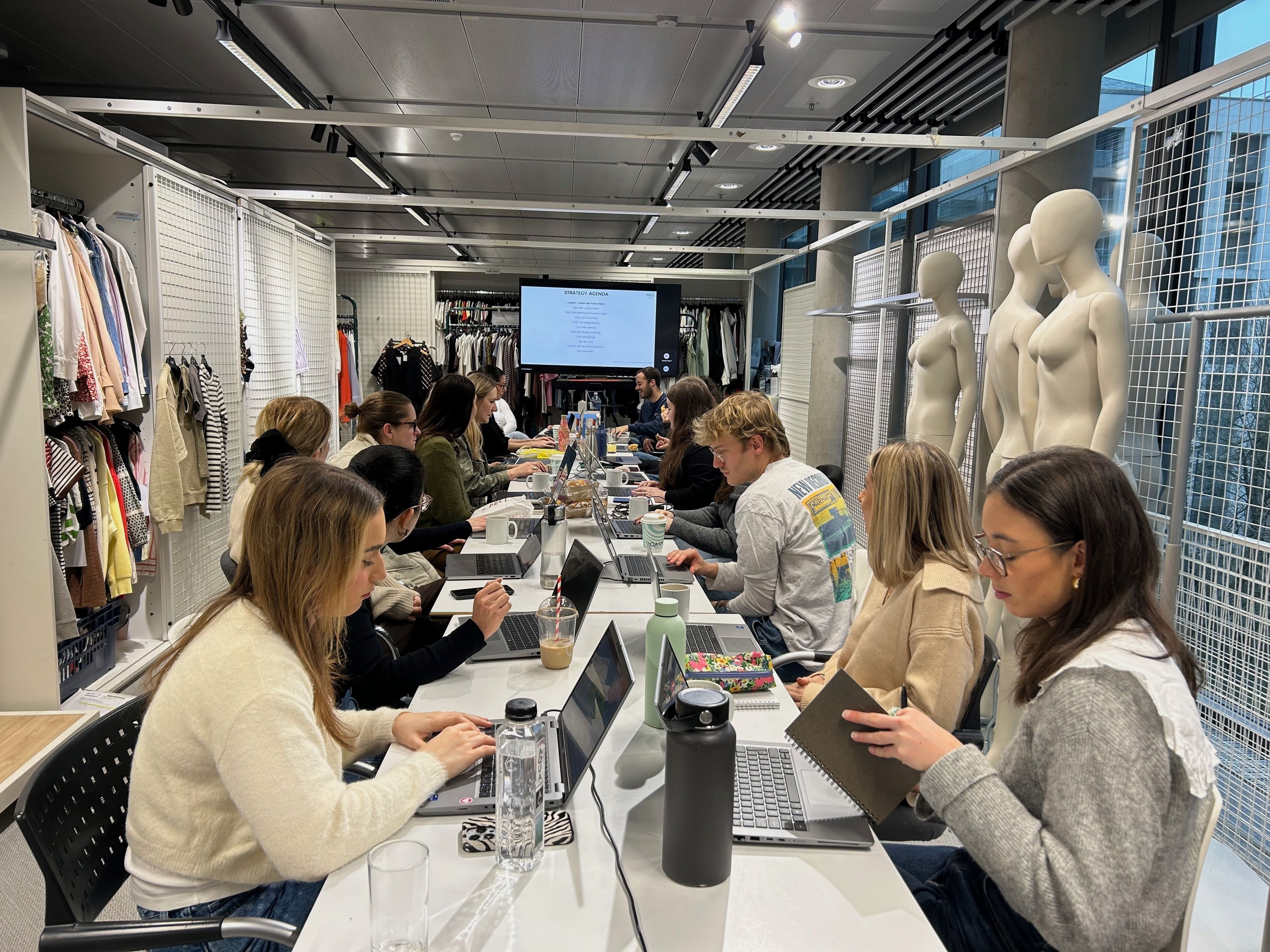
We facilitated cross-functional collaboration and fast feedback loops, setting up the business to be able to experiment with new approaches and technologies
We helped to redesign an ‘idea to shelf’ critical path for a clothing department, cutting the time senior management spent in meetings by 50% and reducing the overall pathway time by 20%
We helped to reset the company’s approach to portfolio management, shifting leadership focus to outcome-driven delivery
We supported the client to champion a transformation narrative that drove collective momentum and established self-sustaining, employee-led change
We empowered the business to experiment with new approaches and technologies.
We helped the client seize the opportunity to reimagine its operation, beginning with its teams.
We bridged the gap between operations and business units by establishing multidisciplinary teams and strong feedback loops. This sparked greater alignment, trust, and knowledge-sharing between the teams, meaning operations were better equipped to serve business units.
Crucially, faster feedback loops gave teams the ability to test new approaches, and implement new processes, systems and tools. We supported them to use a ‘test and learn’ methodology, trying new ways of working, gathering feedback, and iterating rapidly. Applied at scale, this capability would ultimately improve the organisation's agility to test bold approaches and experiment with the adoption of new technologies and workflows.
We redesigned a core critical path: the end-to-end process from strategy to product delivery.
Working with leaders, we redesigned the ’idea-to-shelf critical path’ for one of its clothing departments. By experimenting with the pathway and rationalising key discussions, we enabled greater strategic clarity while minimising the overhead for senior management, cutting the time spent in meetings by 50% and reducing the overall pathway time by 20%. Following this success, the model was scaled across other company departments.
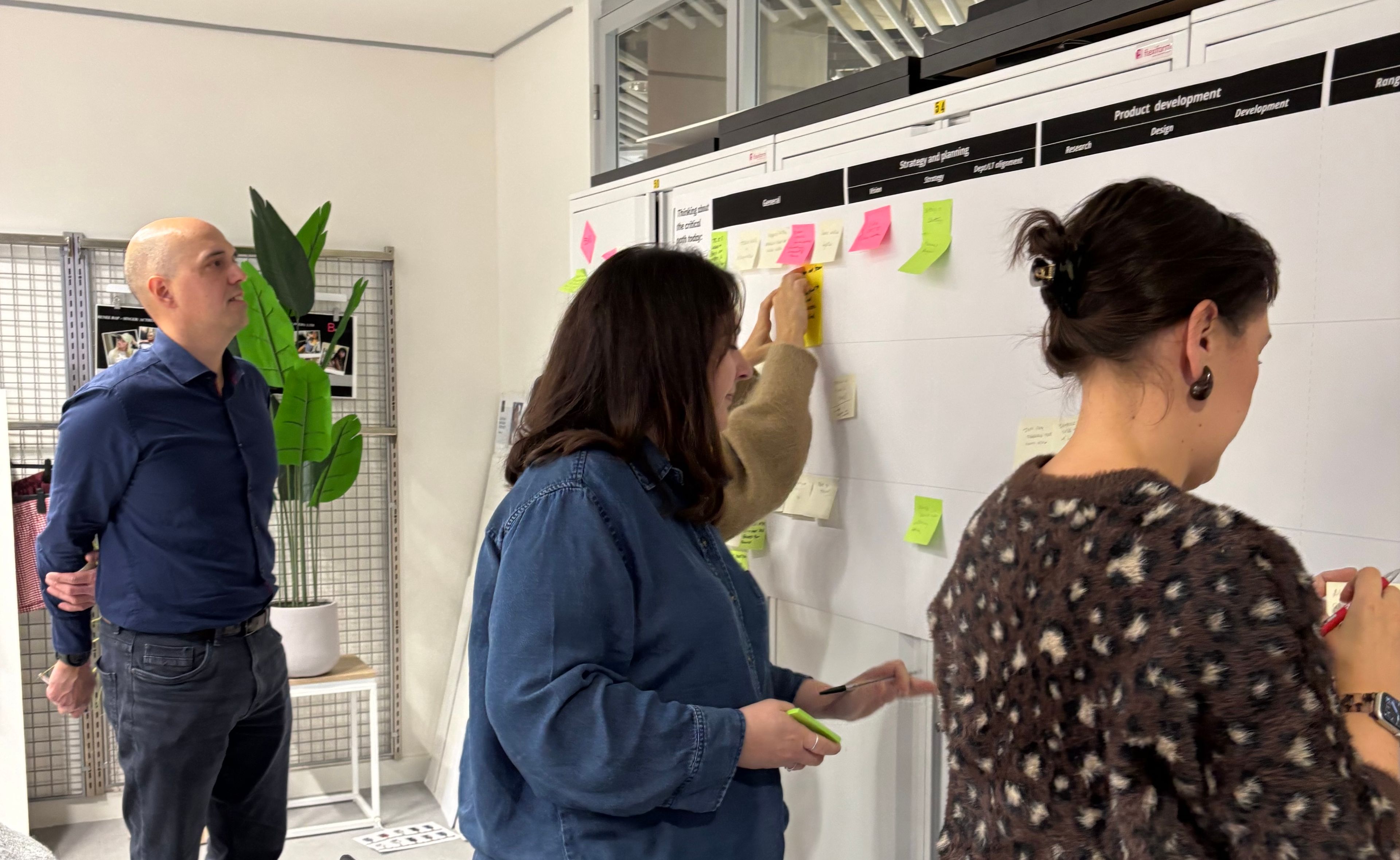
We introduced priority-based thinking, and helped governance become an enabler
To improve prioritisation, we introduced the concept of ‘non-negotiables’. As well as providing a clearer way to communicate and build narratives around core priorities, these non-negotiables fed directly into the approach to portfolio management and governance, determining how new teams were supported and resourced.
In addition, we helped to reset leaders’ approach to portfolio management, ensuring governance was an enabler in helping teams to deliver outcomes. This involved changing the way teams reported, introducing qualitative and quantitative measures that helped them to track progress towards outcomes, and a clear line of leaders acting as supporters.
We helped the client champion a story of transformation which built collective momentum, and ensured change was company-led and self-sustaining.
Our early research with teams revealed a disparate understanding of what ‘transformation’ meant. We supported the client to clarify the narrative and communicate the changes in a clear and accessible way. We used plain language that resonated with teams, and which incorporated creative and visual elements.
At the same time, we embedded ways of working which promoted collaboration and active participation in transformation. For example, we introduced ‘show and tell’ ceremonies, and established workshops and drop-in sessions, providing a space for colleagues to seek guidance and share ideas with experts. This, paired with improved clarity of narrative around change, fostered a culture where teams embraced - and were encouraged to take ownership of - transformation.
Our work with the client to transform its internal operation and guide culture change resulted in a durable, repeatable roadmap for change, setting the company up to scale success and steer similar transformation across other business units.