
The deep digital geology that’s slowing your company down
Read more
This post was originally published by James Stewart in 2019. In 2025, Dai Vaughan and James worked together on this current version.
In many established organisations, the biggest blocker to meaningful change isn't a lack of new ideas - it's the complex legacy technology at their core.
Many of us have had the experience of asking for something simple - a change in colour scheme, some extra data insight, or what should be a quick experiment - and hearing 'that's complicated'.
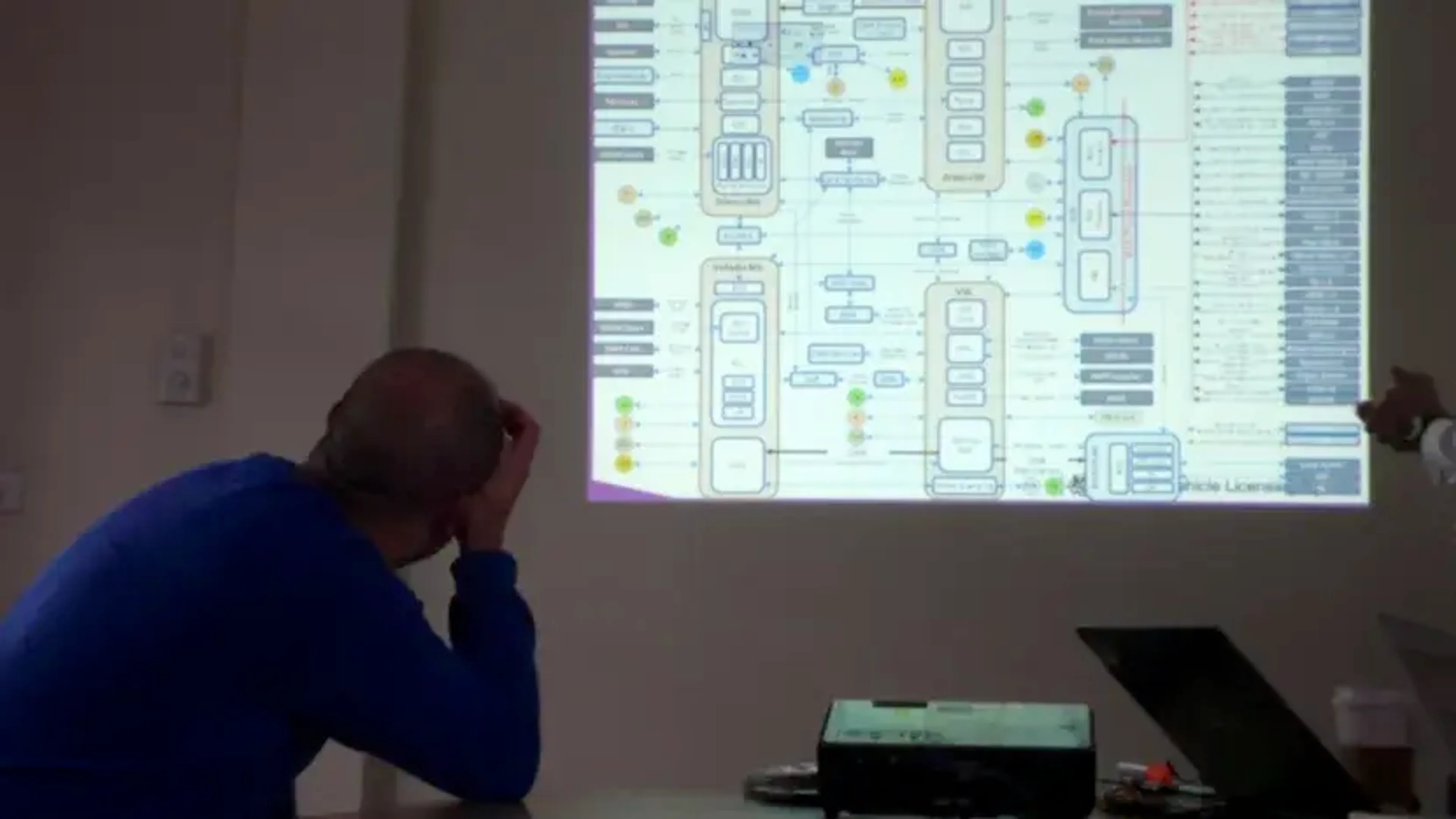
This problem has a few names. You might see it as "deep digital geology" - brittle, immovable layers of outdated code and infrastructure, built up over decades. Or you might see it as "technology spaghetti" - a critical, tangled-up mess of systems, data and processes where pulling on one thread risks breaking something else entirely.
Both metaphors point to the same truth: this complexity is not static; it gets worse. When you want to do something new, the easiest path is often to add another system on top, aggregating the new on top of the old. This problem is compounded as time passes: people leave the organisation, understanding fades, unmaintained systems get forgotten, and change gets harder.
For a leader, this is a strategic trap. You want your organisation to be agile, to respond to market shifts, or to deploy new tools like AI, but every new initiative gets bogged down in this brittle foundation.
The common "big bang" rewrite is fantastically expensive, high-risk, and often fails.
This article offers a different, more practical path: an iterative way to untangle the mess and build a more adaptable future.
You don't untangle a knot by pulling on every thread at once - you'll only make it tighter. The solution with your knot of "technology spaghetti" is to start a continuous practice of untangling.
This is more than just an IT clean-up exercise. Creating a long-term goal of continuous untangling gives your organisation the opportunity to focus strategically on how you use technology to deliver value.
What’s more, this practice is what builds your organisation's adaptability muscle. Like any muscle, it starts small and grows stronger with consistent, focused effort.
The real work of untangling depends on the application of modern technology practices: describing infrastructure in code, a broad range of automated testing tools, and the culture of continuous delivery.
Here are some ways to start:
You can't untangle what you can't see. As a leader, you must work to build a clear map or register of your technology. This isn't just a diagram; it's a living inventory that tracks what a system does, who owns it, and when it was last updated. This allows you to quantify the cost of failures (in lost productivity or failed customer transactions) and set measurable targets to reduce them.
With your map and your metrics, you can now pick the right thread to pull. Don't start with the oldest or ugliest tech; start with the most critical user journey that is made slow or painful by your technology. This focuses your effort on immediate business value, which builds momentum and buys you the political capital to continue.
Empower your teams to build around the core, not just replace it. The tactic is to first create "seams" in your legacy systems using APIs (Application Programming Interfaces).
These APIs act as safe, modern "sockets" that allow new services to plug into old data and processes. This gives you the flexibility to untangle and replace one strand at a time - or build something new on top - without having to break everything else it's connected to.
Untangling and building around is only half the job. The most unglamorous yet most powerful part of building adaptability is decommissioning - intentionally stopping and removing the "dead threads" of spaghetti that are no longer needed.
This is often seen as a cost with no "new" feature to show for it, and is perceived as pure risk.
But this practice of "knowing when to stop" is the only way to truly reduce your risk, lower your maintenance costs, and free up your most talented people. This is not just a technical clean-up task - it is a difficult strategic capability that is fundamental to building a truly adaptable organisation.

Rather than being a project you complete, legacy modernisation is a permanent capability you build. It’s important to remember that none of these objectives can be met overnight, and none of them are ever really finished
In a healthy organisation, there will always be change, and there will always be cycles where complexity grows and then diminishes. That’s okay, as long as it’s recognised and managed.
Focus on something you need to get done - a new capability in your product, a new insight you want to capture, a process that needs to be clearer - and work on it. But at the same time measure whether you've made the system simpler (less tangled) as you've gone. Will each change make the next one easier to do well?
This iterative cycle - of stopping new tangles, mapping the old, pulling on key threads, and removing what's dead - is the "adaptability muscle" in action. It's how you methodically transform your organisation's foundation from a brittle, tangled mess to an orderly platform that is, by design, built to evolve.

Partner and CTO

CTO, Consulting Practice