PD Newsletter #99: Competitive Advantage by Design
👋🏽👋🏻👋🏾 Hello, welcome. This edition of our newsletter is a design special, coming to you in the same week as the London Design Festival. We’re celebrating the publication of our new design book, exploring how AI is changing the customer experience, and giving our take on the US administration’s recent launch of America by Design. 🌟 View this newsletter on LinkedIn 🚀 Forwarded this email? Sign-up. |
🇺🇸 America by DesignIn the US, America by Design has launched with a new Chief Design Officer, Joe Gebbia, co-founder of Airbnb. Announced through a Presidential Executive Order, the role carries both the weight of the White House and the unmistakable flavour of American politics. Scratch beneath the surface and it’s a familiar pattern: strong teams dismantled, knowledge lost, and a shiny new leader appointed. While the dismantling of the US Digital Service happened prior to the launch of America by Design, it’s a cycle we’ve seen before - transformation framed as a fresh start, rather than building on what was already working. The harder challenges often go unresolved: confronting cultural blockers, recognising which systems are too broken to fix, and sustaining change through complexity. Leading design in government is not the same as leading design in a tech company. It demands persistence, coordination, and the unglamorous graft of making services and systems work. Announcing change is easy. Seeing it through is the real challenge. |
✨ Competitive Advantage by DesignWe’ve published a book on design, bringing together a collection of stories that remind us of the joy of design and its transformative potential. Its editor is Katherine Wastell, a Senior Director at PD whose expertise lies in service design and improving the customer experience. As she writes in the book’s foreword, design approaches shape how modern businesses are run - not as decoration, but as a way to understand customer needs, drive operational efficiency and strategic growth, and redesign services that work better by building customer centric capability. |
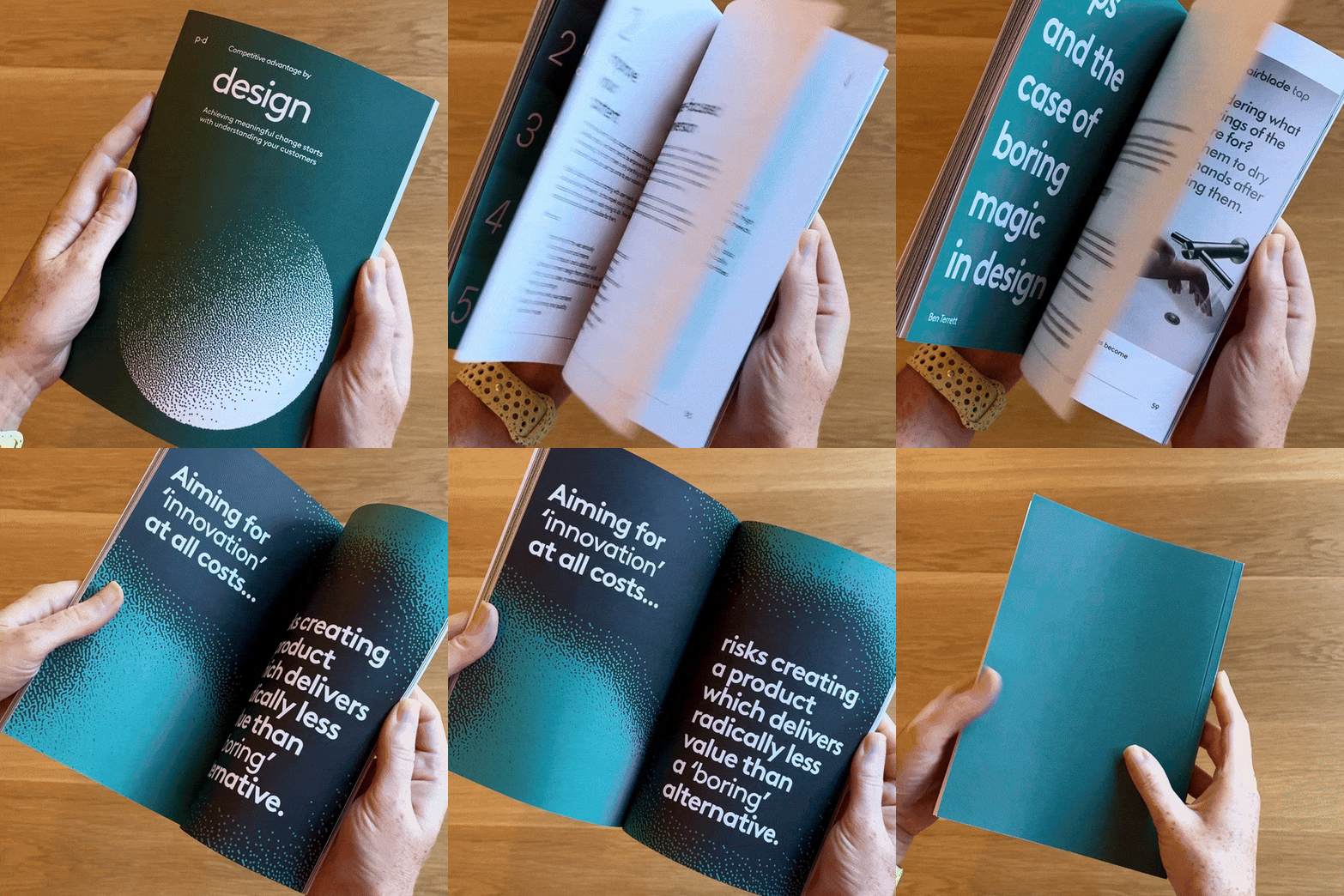 |
“In spite of the pressures of capitalism, aiming for ‘innovation’ at all costs risks creating a product which delivers radically less value than a ‘boring’ alternative.” Ben Terrett, Taps and the Case of Boring Magic in Design “Organisations can only achieve commercial goals by understanding what their customers need, and by using those needs as a springboard from which to scope out opportunities.” Katherine Wastell, Why User Needs Must Inform Business Goals “They key to addressing digital exclusion isn't always more technology - it's better service design." Abisola Fatokun, Designing for Inclusivity |
📣 Latest from Public DigitalBook your place at Data Bites #58 on 18 September 6pm - 7:30pm. Join us in person at Broadway House, London or via YouTube livestream. Last month we were pleased to announce our membership of the Digital Services Coalition. This month we’ve been promoting the work of ADHD Pathfinding, a new volunteer-led initiative aiming to use lived experience and user-centred government backgrounds to make ADHD care in the UK more joined up and accessible. Working in the open, the team is collecting stories through their national survey. Follow their work on LinkedIn and Medium. |
Internet era ways of working🏠 At PD we’ve been writing about how AI will transform the customer experience. We predict it will produce poor user experiences in the short term but set the bar for better services in the long term: “Designed well, AI could strip away the barriers that keep services from fitting naturally into everyday life.” 🧍We’re fans of Tey Bannerman’s the human in the loop framework as an approach to AI: “This framework is about actually bringing clarity to AI projects around the level of human involvement that is needed, starting with the two questions: what are you optimising for, and what’s at stake?”. Meanwhile this Forbes article looks at the implications of AI agents, able to act as a design partner rather than a tool. 🧭 Journey maps are familiar in most organisations, but they need to go beyond visual artefacts - they should drive changes to the systems and governance that sit behind them. Which brings us to the illusion of journey management, the critical task of acting on the insights surfaced, and ensuring the organisation is set up to do so. 🧐 Interesting stuff on In Defence of Enshittification, highlighting an important distinction between users and customers, and the reality of design as operating in a financial ecosystem: “There’s a gulf between gutting a product for short-term gain and making hard trade-offs that balance user delight with business sustainability”. |
Technology in focus🔮 We like these insights from Nick Foster, Google X’s head of design, on how companies can talk about the future: something he considers to be a vital but ‘underdeveloped skill’ in organisations. 🗞️ How Google’s shift to AI has upended the online news model, with AI overviews reducing traffic to the news sites on a vast scale, with implications for both the survival of publishers and the quality of content. Some publishers have fought back with the creation of Really Simple Licensing (RSL), designed to allow creators to set the terms for how AI bots use their content, and block those that don’t comply. 📚 Chilling reading on how big tech has transformed the classroom, and the trend of classrooms becoming home to “apps rooted in gamification and behaviour design – techniques developed to maximise screen time”. Includes an interesting note on how doubt is manufactured in the debates around young people and technology, prevalent in the mixed reaction to the work of people like Jonathan Haidt. ❌ How did ‘rebrand’ become a dirty word? TL;DR: It’s come to represent ‘starting over’ after a period of instability or controversy (an association fuelled by cases like the supposed ‘woke rebrand’ of Jaguar). But as this piece observes: “Rebrands only make the news when there is a backlash.”
|
Digital government news👏 An excellent piece from the team at gov.wales on how service patterns can help teams design better digital services, including a breakdown of the constituent parts of service patterns: journey type, steps and actions. Plus, how the Canadian Digital Service launched a central design system, including standardising the 40 different versions of Canada Blue. ✏️ “Policy isn’t just written, it can be prototyped.” Nesta’s principles for design and policy emphasise the importance of design in policy-making, and the idea of ‘public design’, defined as “an iterative process of generating, legitimising, and achieving policy intent whilst de-risking operational delivery”. This is critical to PD’s approach to public sector change, such as our work with the UK Government on the Test, Learn and Grow programme. 🇦🇱 Albania has introduced an ‘AI cabinet minister’ in an attempt to reduce corruption in public procurement. The digital assistant, Diella, will be tasked with deciding the outcomes of Albania’s public tenders, which have historically been the source of corruption scandals. 🇧🇷 Exploring the success of Brazil’s government-developed electronic payment service, Pix. Controlled by the Brazilian Central Bank, Pix made headlines this summer after angering the Trump administration. As Mike Bracken has talked about, it’s an example of digital sovereignty advancing public welfare at scale, in this case by boosting financial inclusion across the country. 🎨 The UK Government has announced a major consultation to strengthen the UK’s £100 billion design sector, with potential reform focused around design protection including resolving post-Brexit complexities, tackling design theft, and modernising design protection for the digital age. |
Something fun🏖️ "Where design gets to take its bra off": Laurence Llewelyn-Bowen on his 20 years with the Blackpool Illuminations |
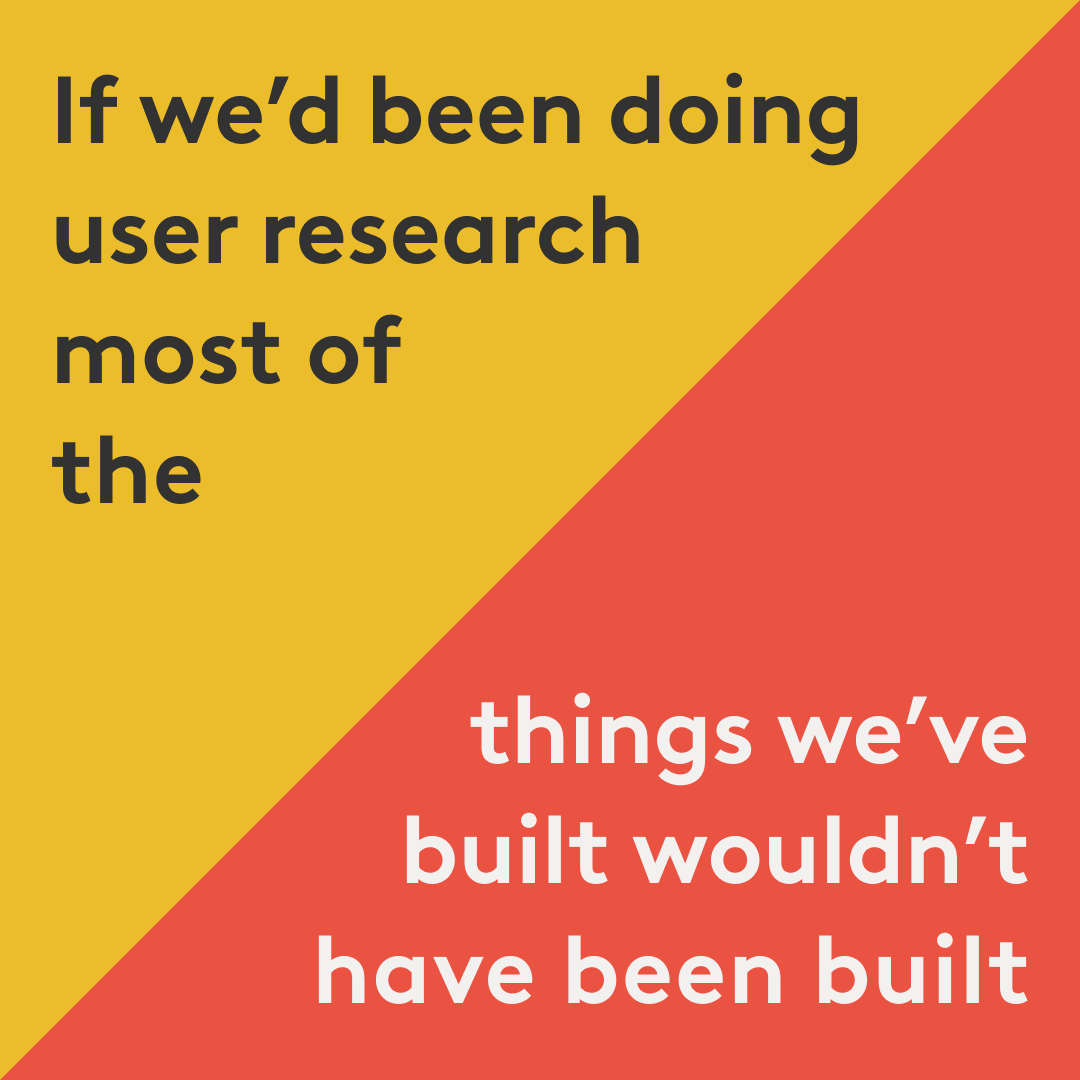 |
Phrases like this have struck a chord with us in our work with clients. Follow us on LinkedIn to find others like it. |